
Marketing automation has become an essential tool for small businesses aiming to streamline their marketing efforts, enhance customer engagement, and drive growth. By automating repetitive tasks, businesses can focus more on strategy and creativity, leading to improved efficiency and better results. This blog post explores the benefits, key components, and best practices of marketing automation tailored for small businesses.
Key Findings
-
Enhanced Efficiency: Automating routine tasks such as email campaigns and social media posts saves time and reduces manual effort.
-
Improved Lead Nurturing: Automated workflows enable personalized communication, guiding leads through the sales funnel effectively.
-
Data-Driven Decisions: Marketing automation provides valuable insights into customer behavior, allowing for informed strategy adjustments.
-
Scalability: As businesses grow, automation tools can adapt to increased demands without significant additional resources.
-
Cost-Effectiveness: Implementing automation can lead to a higher return on investment by optimizing marketing efforts and reducing overhead costs.
What is Marketing Automation and Why is it Crucial for Small Businesses?
Marketing automation refers to the use of software and technology to automate repetitive marketing tasks, such as email campaigns, social media posting, and lead nurturing. This approach enables businesses to deliver personalized experiences to their customers efficiently.
For small businesses, marketing automation is particularly crucial due to its ability to enhance efficiency and productivity. By automating routine tasks, small business owners and their teams can focus on strategic activities that drive growth. This not only saves time but also reduces the likelihood of human error, ensuring consistent and timely communication with customers.
Moreover, marketing automation facilitates improved customer engagement. By analyzing customer data and behavior, businesses can create tailored marketing campaigns that resonate with individual customers, leading to higher engagement and conversion rates.
Additionally, marketing automation offers cost-effective solutions for small businesses operating with limited budgets. By streamlining processes and improving the efficiency of marketing campaigns, businesses can achieve better results at a lower cost.
In summary, marketing automation empowers small businesses to compete more effectively by automating routine tasks, enhancing customer engagement, and providing cost-effective marketing solutions.
External Sources: Learn More
Unlock your business potential—learn more at ipsom.io or email us at office@ipsom.io.
Key Components of an Effective Marketing Automation Strategy
An effective marketing automation strategy comprises several key components that work together to streamline marketing efforts and enhance customer engagement.
1. Audience Segmentation
Dividing your audience into specific groups based on demographics, behavior, or preferences allows for tailored marketing messages that resonate with each segment. For instance, an e-commerce store can segment customers by purchase history to send personalized promotions.
2. Workflow Automation
Automating repetitive tasks such as email follow-ups, lead nurturing, and campaign management saves time and ensures consistent messaging. This involves creating workflows that trigger specific actions based on user behavior.
3. CRM Integration
Integrating marketing automation tools with Customer Relationship Management (CRM) systems provides a unified view of customer interactions. This alignment enhances the effectiveness of campaigns by ensuring that marketing and sales teams have access to the same data.
4. Lead Scoring and Nurturing
Assigning values to leads based on their engagement helps prioritize efforts toward those most likely to convert. Nurturing these leads with relevant content guides them through the sales funnel.
5. Multi-Channel Approach
Ensuring consistent and integrated messaging across various channels—such as email, social media, and websites—allows businesses to engage potential customers wherever they are.
6. Personalization
Tailoring content to individual preferences and behaviors enhances engagement and boosts conversion rates. Personalization demonstrates an understanding of unique customer needs, fostering brand loyalty.
7. Analytics and Reporting
Utilizing analytics tools to monitor campaign performance provides insights into customer behavior and the effectiveness of marketing efforts. Key performance indicators (KPIs) such as conversion rates and return on investment (ROI) are essential for refining strategies.
By integrating these components, businesses can develop a robust marketing automation strategy that enhances efficiency and drives meaningful customer engagement.
External Sources: Learn More
Unlock your business potential—transform your operations with ipsom.io or email us at office@ipsom.io.
How to Choose the Right Marketing Automation Tools for Your Small Business
Selecting the appropriate marketing automation tools is crucial for small businesses aiming to enhance their marketing efforts efficiently. Here's a structured approach to guide your decision-making process:
1. Define Your Marketing Objectives
Clearly outline what you intend to achieve with marketing automation, such as increasing lead generation, improving customer engagement, or boosting sales conversions.
2. Assess Essential Features
Identify the features that align with your objectives. Common functionalities include:
- Email Marketing: Craft and automate email campaigns.
- Lead Management: Capture, score, and nurture leads.
- Analytics and Reporting: Monitor campaign performance and customer behavior.
- CRM Integration: Ensure seamless data flow between marketing and sales teams.
3. Evaluate Integration Capabilities
Ensure the tool integrates smoothly with your existing systems, such as CRM, e-commerce platforms, and social media channels, to maintain efficient workflows.
4. Consider Scalability
Choose a platform that can grow with your business, accommodating increased data volume and complexity over time.
5. Analyze User Experience
Opt for tools with intuitive interfaces and comprehensive support resources to facilitate quick adoption by your team.
6. Review Pricing Structures
Examine the cost relative to your budget, considering both initial expenses and potential hidden fees for additional features or support.
7. Research Vendor Support
Investigate the level of customer support provided, including availability of tutorials, community forums, and direct assistance.
8. Explore Free Trials and Demos
Utilize free trials or demos to assess the tool's suitability for your business needs before making a commitment.
9. Read Reviews and Case Studies
Look for feedback from businesses similar to yours to gauge the tool's effectiveness and reliability.
10. Consider Industry-Specific Features
Some tools offer functionalities tailored to specific industries, which can provide added value.
By systematically evaluating these factors, you can select a marketing automation tool that aligns with your business goals and operational requirements.
External Sources: Learn More
Best Practices for Implementing Marketing Automation Successfully
Implementing marketing automation can significantly enhance the efficiency and effectiveness of your small business's marketing efforts. To ensure a successful implementation, consider the following best practices:
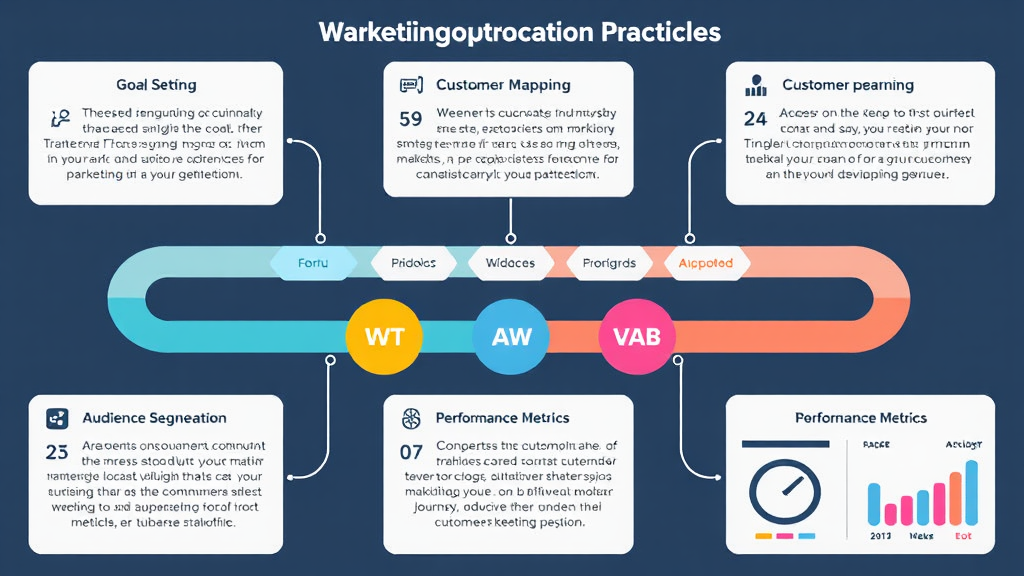
Define Clear Goals and Strategy
Begin by identifying specific objectives you aim to achieve with marketing automation, such as increasing lead generation, improving customer retention, or boosting sales. Align these goals with your overall business strategy to ensure cohesive efforts.
Map the Customer Journey
Understand the various touchpoints and interactions your customers have with your brand, from initial awareness to post-purchase engagement. This mapping helps in identifying opportunities for automation and personalization, ensuring timely and relevant communication at each stage.
Segment Your Audience
Divide your customer base into distinct groups based on criteria such as demographics, purchase history, or behavior. This segmentation allows for more targeted and effective messaging, enhancing engagement and conversion rates.
Personalize Communication
Tailor your messages to meet the individual needs and preferences of each recipient. Personalization can significantly improve engagement and customer loyalty by making your audience feel valued and understood.
Integrate with CRM Systems
Ensure your marketing automation platform integrates seamlessly with your Customer Relationship Management (CRM) system. This integration provides a comprehensive view of customer interactions, facilitating better alignment between marketing and sales teams.
Implement Lead Scoring and Nurturing
Develop a lead scoring system to prioritize prospects based on their engagement and likelihood to convert. Implement nurturing campaigns to guide these leads through the sales funnel, providing relevant content and interactions at each stage.
Optimize for Mobile
With a significant number of users accessing content via mobile devices, ensure that your emails, landing pages, and forms are mobile-friendly. This optimization enhances user experience and prevents potential loss of leads due to poor mobile accessibility.
Utilize A/B Testing
Regularly test different elements of your campaigns, such as subject lines, images, and calls-to-action, to determine what resonates best with your audience. A/B testing helps in refining your strategies for better performance.
Educate and Train Your Team
Provide ongoing training to your team to ensure they are proficient in using marketing automation tools. A well-trained team can leverage these tools effectively, leading to improved campaign outcomes.
Monitor and Analyze Metrics
Regularly track key performance indicators (KPIs) to evaluate the success of your marketing automation efforts. Analyzing these metrics provides insights into what works and what needs adjustment, allowing for continuous improvement.
By following these best practices, small businesses can implement marketing automation successfully, leading to more efficient processes, better customer engagement, and increased sales.
External Sources: Learn More
Transform your operations and embrace efficiency—visit ipsom.io or get in touch at office@ipsom.io.
Measuring the Impact: Analyzing the Success of Your Marketing Automation Efforts
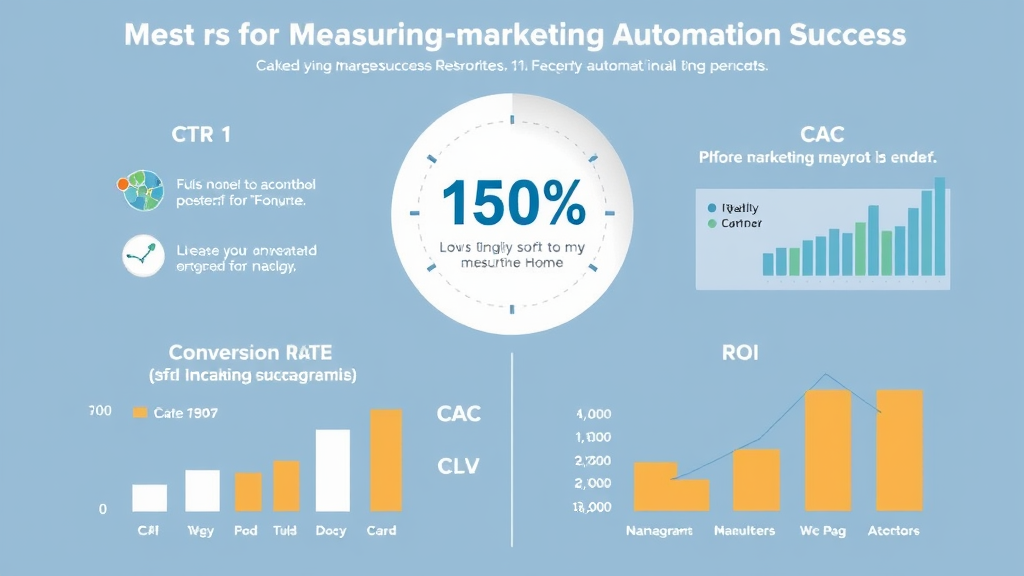
To effectively measure the success of your marketing automation efforts, it's essential to track specific metrics that reflect both engagement and performance. Focusing on these key indicators will help you assess the impact of your campaigns and make informed decisions for optimization.
Key Metrics to Monitor:
-
Click-Through Rate (CTR): This metric measures the percentage of recipients who click on a link within your marketing content, indicating the effectiveness of your messaging and calls-to-action.
-
Conversion Rate: Represents the percentage of leads who complete a desired action, such as making a purchase or filling out a form, reflecting the efficiency of your campaigns in driving desired outcomes.
-
Customer Acquisition Cost (CAC): Calculates the average expense incurred to acquire a new customer, helping you evaluate the cost-effectiveness of your marketing strategies.
-
Customer Lifetime Value (CLV): Estimates the total revenue a customer is expected to generate over their relationship with your business, providing insight into long-term profitability.
-
Return on Investment (ROI): Assesses the profitability of your marketing automation by comparing the revenue generated to the costs incurred.
Implementing Effective Measurement Practices:
-
Utilize Analytics Tools: Employ platforms like Google Analytics or HubSpot to monitor and analyze these metrics comprehensively.
-
Conduct A/B Testing: Experiment with different campaign elements to identify what resonates best with your audience and optimize accordingly.
-
Regularly Review Performance Data: Consistently analyze your metrics to detect trends, assess campaign effectiveness, and make data-driven adjustments.
By diligently tracking these metrics and implementing strategic measurement practices, you can gain valuable insights into the effectiveness of your marketing automation efforts and drive continuous improvement.
Transform your marketing today—unlock the power of automation at ipsom.io or connect with us at office@ipsom.io.
Future Trends in Marketing Automation for Small Businesses
Marketing automation is rapidly evolving, offering small businesses innovative tools to enhance efficiency and customer engagement. Key trends shaping the future of marketing automation for small businesses include:
1. AI-Driven Personalization
Artificial Intelligence (AI) enables small businesses to deliver highly personalized marketing messages by analyzing vast amounts of customer data. This approach tailors content to individual preferences, enhancing engagement and conversion rates.
2. Predictive Analytics
By leveraging historical data, predictive analytics allows businesses to anticipate future customer behaviors and trends. This foresight aids in refining marketing strategies, optimizing lead scoring, and proactively addressing customer needs.
3. Omnichannel Marketing Automation
Implementing omnichannel strategies ensures a seamless and consistent customer experience across various platforms, such as email, social media, and websites. This approach enhances brand visibility and customer satisfaction.
4. Conversational Marketing
The integration of AI-powered chatbots and messaging platforms facilitates real-time, personalized interactions with customers. These tools provide immediate support, qualify leads, and guide customers through their buying journey.
5. Enhanced Data Security and Privacy
With increasing concerns over data privacy, small businesses must prioritize robust security measures and compliance with regulations like GDPR. Marketing automation platforms are enhancing features to manage user consent and protect sensitive information.
By adopting these trends, small businesses can leverage marketing automation to build stronger customer relationships and drive growth.
External Sources: Learn More
FAQ – Frequently Asked Questions
What are the primary benefits of marketing automation for small businesses?
Marketing automation offers several key benefits for small businesses:
-
Time Savings and Efficiency: Automating repetitive tasks like email campaigns and social media posts frees up time for strategic initiatives.
-
Enhanced Lead Generation and Nurturing: Tools can capture leads through landing pages and forms, implement lead scoring, and develop automated email sequences to nurture leads through the sales funnel.
-
Personalized Customer Experiences: Automation enables segmentation of audiences based on demographics and behavior, allowing for tailored content and offers.
-
Improved Customer Retention: Automated onboarding sequences and personalized follow-ups based on purchase history help strengthen customer relationships and boost loyalty.
-
Data-Driven Decision Making: Marketing automation platforms provide insights into campaign performance and customer behavior, facilitating informed decisions and strategy optimization.
-
Scalability and Growth: As businesses grow, automation helps scale marketing efforts without proportionally increasing workload, managing larger contact lists and more complex campaigns efficiently.
-
Consistent Omnichannel Marketing: Ensures uniform messaging across various channels, maintaining a unified brand voice and strategy.
-
Improved ROI and Revenue Growth: By optimizing marketing efforts and focusing on high-value activities, automation can lead to significant improvements in return on investment.
Implementing marketing automation can streamline operations, enhance customer engagement, and drive sales growth for small businesses.
How can small businesses ensure a smooth transition to marketing automation?
Small businesses can ensure a smooth transition to marketing automation by following these key steps:
-
Start Small: Begin by automating one or two processes, such as scheduling social media posts or sending basic email confirmations. This approach allows you to familiarize yourself with the technology without overwhelming your operations.
-
Educate and Train Your Team: Provide comprehensive training sessions covering all aspects of the marketing automation platform. Utilize a mix of methods, including hands-on workshops, video tutorials, and written guides, to ensure your team can effectively use the new tools.
-
Integrate with Existing Systems: Ensure your marketing automation platform integrates seamlessly with your CRM and other tools. This integration provides a unified view of customer data, enabling more personalized and effective marketing campaigns.
-
Define Clear Goals and Objectives: Set specific, measurable goals for your marketing automation efforts, such as increasing lead generation or improving customer retention. Clear objectives will guide your implementation strategy and help measure success.
-
Segment Your Audience: Divide your contact list into smaller segments based on shared characteristics, such as demographics or behavior. This allows for more personalized communication and improves engagement rates.
-
Monitor and Analyze Metrics: Regularly track key performance indicators (KPIs) to evaluate the success of your marketing automation efforts. This analysis offers valuable insights into what works and what needs adjustments.
By implementing these practices, small businesses can effectively transition to marketing automation, enhancing efficiency and customer engagement.
Are there affordable marketing automation tools suitable for small businesses?
Yes, there are several affordable marketing automation tools suitable for small businesses. Here are some options:
-
Brevo (formerly Sendinblue): Offers email, SMS, and chat marketing. The free plan allows up to 300 emails per day; paid plans start at $25 per month.
-
Moosend: Provides email marketing automation with a free plan for up to 1,000 subscribers. Paid plans begin at $9 per month.
-
Zoho CRM: Combines CRM with email automation. The free plan supports up to three users; paid plans start at $14 per month.
-
Buffer: Focuses on social media automation. The free plan includes up to three social accounts; paid plans start at $6 per month per social channel.
-
Mailchimp: Offers email marketing with a free plan for up to 500 contacts and 2,500 emails per month. Paid plans start at $9.99 per month.
-
ActiveCampaign: Provides advanced email marketing and CRM features. Plans start at $9 per month.
-
MailerLite: Known for its simplicity, offering email automation with a free plan for up to 1,000 subscribers. Paid plans start at $9 per month.
-
GetResponse: An easy-to-use tool with email marketing, automation, and landing pages. Plans start at $15 per month.
-
Drip: Tailored for e-commerce businesses, offering personalized email marketing. Plans start at $19 per month.
-
OptinMonster: Specializes in lead generation with tools like pop-ups and floating bars. Plans start at $9 per month.
These tools offer various features to help small businesses automate their marketing efforts cost-effectively.
How does marketing automation improve customer engagement?
Marketing automation enhances customer engagement by enabling personalized, timely, and efficient interactions. It allows businesses to segment audiences based on behaviors and preferences, delivering tailored content that resonates with each customer. Automated workflows ensure consistent communication across multiple channels, such as email, social media, and SMS, fostering a cohesive brand experience. Additionally, marketing automation streamlines repetitive tasks, freeing up resources to focus on strategy and creative initiatives. By leveraging data analytics, businesses can track customer interactions, measure campaign performance, and refine their approaches to better meet customer needs. This comprehensive strategy not only boosts engagement but also strengthens customer relationships and loyalty.
What common challenges do small businesses face when implementing marketing automation?
Small businesses often encounter several challenges when implementing marketing automation:
-
Lack of Clear Strategy: Without a well-defined plan, automation efforts can become directionless, leading to ineffective campaigns.
-
Data Integration Issues: Integrating automation tools with existing systems like CRMs can be complex, resulting in data silos and inefficiencies.
-
Insufficient Training and Support: A steep learning curve and lack of proper training can hinder effective use of automation platforms.
-
Over-Automation: Excessive reliance on automation may lead to impersonal interactions, diminishing customer engagement.
-
Budget Constraints: High setup and operational costs can be prohibitive for small businesses.
-
Poor Data Quality: Inaccurate or outdated data can result in misguided marketing efforts and reduced effectiveness.
-
Resistance to Change: Employees may resist adopting new technologies, slowing down implementation and reducing efficiency.
-
Difficulty Measuring ROI: Determining the effectiveness of automation efforts can be challenging without clear metrics.
-
Compliance and Security Concerns: Ensuring data protection and adhering to regulations can be complex and resource-intensive.
Addressing these challenges requires strategic planning, adequate training, and careful resource allocation.