

Process automation is revolutionizing the way businesses operate by streamlining workflows, reducing manual tasks, and enhancing overall efficiency. By leveraging technology to automate repetitive processes, organizations can achieve significant improvements in productivity, accuracy, and cost savings. This blog post delves into the various facets of process automation, exploring its types, benefits, implementation strategies, and future trends.
Key Findings
-
Enhanced Efficiency and Productivity: Automating routine tasks allows employees to focus on strategic initiatives, leading to increased overall productivity.
-
Reduction in Errors: Automation minimizes human errors by standardizing processes and ensuring consistent execution.
-
Cost Savings: By reducing manual labor and improving process efficiency, businesses can achieve substantial cost reductions.
-
Improved Compliance: Automated processes ensure adherence to regulatory requirements by maintaining accurate records and standardized procedures.
-
Scalability: Process automation provides the flexibility to scale operations up or down based on business needs without a proportional increase in costs.
-
Enhanced Customer Experience: Streamlined processes lead to faster response times and improved service delivery, resulting in higher customer satisfaction.
What is Process Automation and Why is it Essential for Modern Businesses?
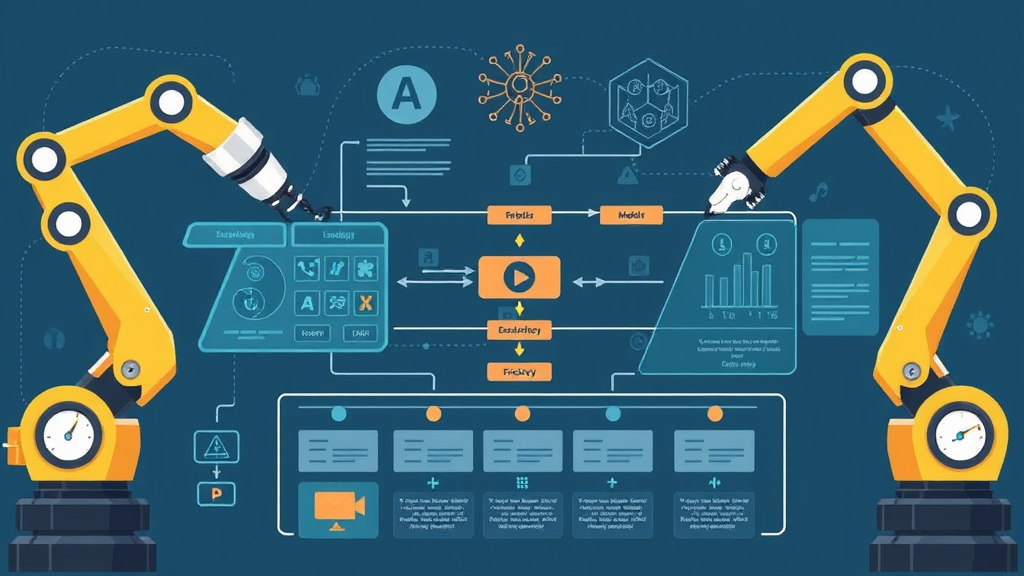
Process automation involves utilizing technology to perform repetitive tasks and processes, minimizing human intervention. This approach encompasses various technologies, including robotic process automation (RPA), workflow automation, artificial intelligence (AI), and system integrations. The primary objective is to streamline operations, enhance efficiency, reduce errors, and allow employees to focus on more strategic tasks.
Key Benefits of Process Automation
-
Increased Efficiency: Automation accelerates process execution, reducing the time required to complete tasks.
-
Cost Reduction: By automating repetitive tasks, businesses can lower labor costs and minimize human errors, leading to financial savings.
-
Improved Accuracy: Automated systems follow predefined rules, ensuring consistency and reducing the likelihood of mistakes.
-
Enhanced Compliance: Automation provides a clear audit trail, facilitating adherence to regulatory requirements and reducing legal risks.
-
Better Resource Allocation: Freeing employees from mundane tasks allows them to focus on innovation, strategic planning, and other high-value activities.
Implementing process automation can yield numerous benefits, including increased agility, productivity, customer satisfaction, data insights, and scalability. However, challenges such as integrating with legacy systems and initial costs may arise. Despite these challenges, the advantages of process automation make it a critical strategy for modern businesses aiming to enhance operational efficiency and competitiveness.
For a more detailed exploration of process automation and its significance, you can refer to this resource.
Transform your workflow and boost your growth—check out ipsom.io or get in touch at office@ipsom.io.
Exploring the Different Types of Process Automation Technologies
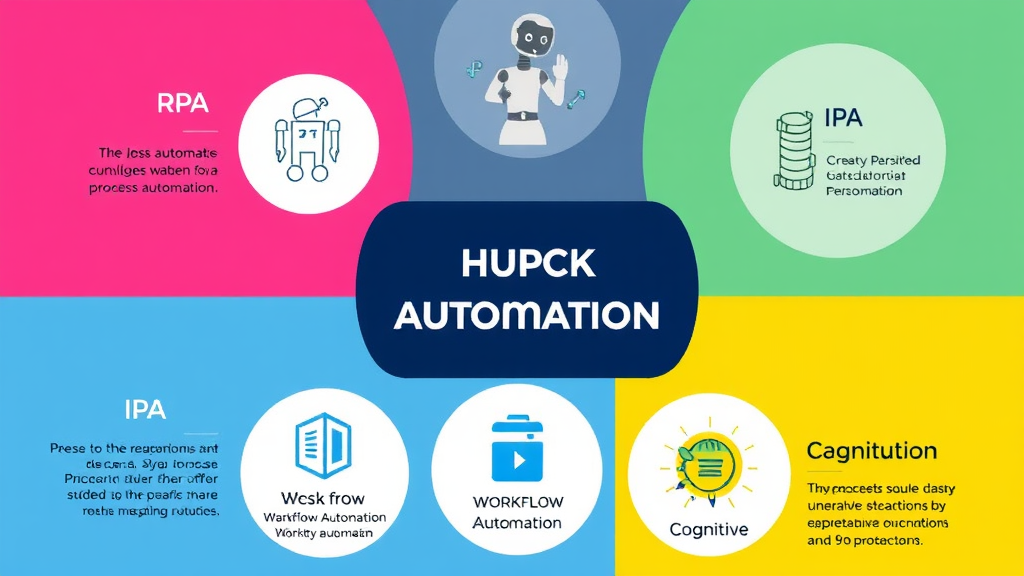
Process automation technologies have evolved to enhance efficiency, accuracy, and scalability across various industries. Below is an overview of the primary types of process automation technologies:
Robotic Process Automation (RPA): RPA utilizes software robots to automate repetitive, rule-based tasks by interacting with digital systems in a manner similar to human users. This technology is particularly effective for tasks such as data entry, transaction processing, and responding to simple customer service inquiries. By automating these routine activities, organizations can reduce errors and free up human resources for more complex tasks.
Artificial Intelligence (AI) and Machine Learning (ML): AI and ML technologies enable systems to perform tasks that typically require human intelligence, such as decision-making, pattern recognition, and predictive analysis. These systems can analyze large datasets to identify trends and make informed decisions, thereby automating complex processes that involve unstructured data. For example, AI-driven chatbots can handle customer inquiries by understanding and processing natural language.
Intelligent Process Automation (IPA): IPA combines RPA with AI and ML to create systems capable of handling both structured and unstructured data. This integration allows for the automation of more complex processes that require cognitive capabilities, such as understanding context, learning from data, and making decisions. IPA is used in scenarios like intelligent document processing and adaptive workflow automation.
Hyperautomation: Hyperautomation involves the use of multiple automation technologies, including RPA, AI, ML, and process mining, to rapidly identify and automate as many business processes as possible. This approach aims to create a highly automated enterprise that can adapt quickly to changing business needs and market conditions. Hyperautomation not only automates tasks but also orchestrates various tools and technologies to optimize entire workflows.
Workflow Automation: This technology focuses on automating the flow of tasks, documents, and information across work-related activities. By defining and automating workflows, organizations can ensure that tasks are completed in the correct sequence, by the right individuals or systems, and within the desired timeframes. Workflow automation is commonly used in areas like project management, approval processes, and customer onboarding.
Cognitive Automation: Cognitive automation extends the capabilities of traditional automation by incorporating AI technologies such as natural language processing (NLP) and computer vision. This allows systems to interpret and process unstructured data, such as text and images, enabling automation of tasks like document classification, sentiment analysis, and content extraction.
Each of these technologies offers unique benefits and can be selected based on the specific needs and complexity of the processes within an organization.
External Sources: Learn More
Transform your workflow today—unlock the power of automation at ipsom.io or drop us a line at office@ipsom.io.
Key Benefits of Implementing Process Automation in Your Organization
Implementing process automation in your organization offers several key benefits that can enhance efficiency, reduce costs, and improve overall performance.
1. Enhanced Productivity
Automating repetitive tasks allows employees to focus on strategic activities, leading to increased productivity. For instance, automation can handle multiple tasks simultaneously, accelerating project completion and reducing human error.
2. Cost Reduction
By minimizing manual labor and errors, process automation leads to significant cost savings. Organizations can achieve more with fewer resources, allowing for investment in innovation and growth.
3. Improved Accuracy and Consistency
Automated processes follow predefined rules, ensuring consistent and high-quality outputs. This standardization reduces variability and enhances reliability in products and services.
4. Faster Turnaround Times
Automation accelerates task completion by streamlining workflows and eliminating bottlenecks. This leads to quicker responses to customer inquiries and faster delivery of products and services.
5. Enhanced Compliance
Automated systems maintain detailed records of all actions, facilitating audits and ensuring adherence to regulatory standards. This reduces the risk of non-compliance and associated penalties.
6. Scalability
Process automation enables organizations to handle increased workloads without additional manual intervention. This scalability supports business growth and adaptation to changing market demands.
7. Improved Employee Morale
By relieving employees of monotonous tasks, automation allows them to engage in more meaningful work, boosting job satisfaction and reducing turnover.
8. Data-Driven Decision Making
Automated processes collect and analyze data efficiently, providing valuable insights into performance and customer behavior. This information supports informed and strategic decision-making.
By integrating process automation, organizations can achieve these benefits, leading to a more efficient, compliant, and competitive operation.
External Sources: Learn More

Transform your workflow and elevate your business—get started with ipsom.io or email us at office@ipsom.io.
Step-by-Step Guide to Successfully Implementing Process Automation
Implementing process automation can significantly enhance efficiency, reduce errors, and free up valuable resources within an organization. To ensure a successful transition, follow this structured step-by-step guide:
1. Assess and Map Current Workflows
Begin by thoroughly documenting your existing processes to identify inefficiencies and repetitive tasks. Collaborate with key stakeholders to gain insights into pain points and areas ripe for improvement. This comprehensive assessment will help you determine where automation will provide the most value.
2. Define Clear Objectives and Success Metrics
Establish specific, measurable goals that align with your organization's broader business objectives. Whether aiming to reduce processing times, cut costs, or improve accuracy, having clear targets will guide your automation efforts and provide benchmarks for evaluating success.
3. Select the Appropriate Automation Tools
Evaluate various automation technologies based on your identified processes and objectives. Consider factors such as scalability, integration capabilities, and ease of use. Choosing the right tools is crucial to the success of your automation journey.
4. Design and Optimize Automated Workflows
Work closely with process owners and automation experts to design streamlined workflows. Map out the current process, identify areas for improvement, and define the desired automated workflow. Streamline and simplify the process as much as possible, eliminating unnecessary steps and reducing complexity.
5. Conduct Pilot Testing and Validation
Before full-scale implementation, start with a pilot program to test your automation solutions in a controlled environment. Gather feedback from the team and analyze performance data to identify areas for improvement. Use these insights to fine-tune the solutions, keeping them optimized for wider deployment.
6. Train and Engage Employees
Prepare your employees for the adoption of process automation. Provide comprehensive training sessions to familiarize them with the new automated workflows and technologies. Highlight the benefits of automation, emphasizing how it can enhance their work experience and enable them to focus on more strategic tasks.
7. Monitor Performance and Optimize Continuously
Once the automation is implemented, establish a monitoring and measurement framework to track its performance and impact. Monitor key metrics such as process cycle time, error rates, productivity improvements, and cost savings. Leverage analytics and reporting tools to gain insights into the effectiveness of automation.
By following these steps, organizations can effectively implement process automation, leading to enhanced operational efficiency and a competitive edge in the market.
External Sources: Learn More
Transform your workflow and elevate your business—visit ipsom.io or reach us at office@ipsom.io.
Common Challenges in Process Automation and How to Overcome Them
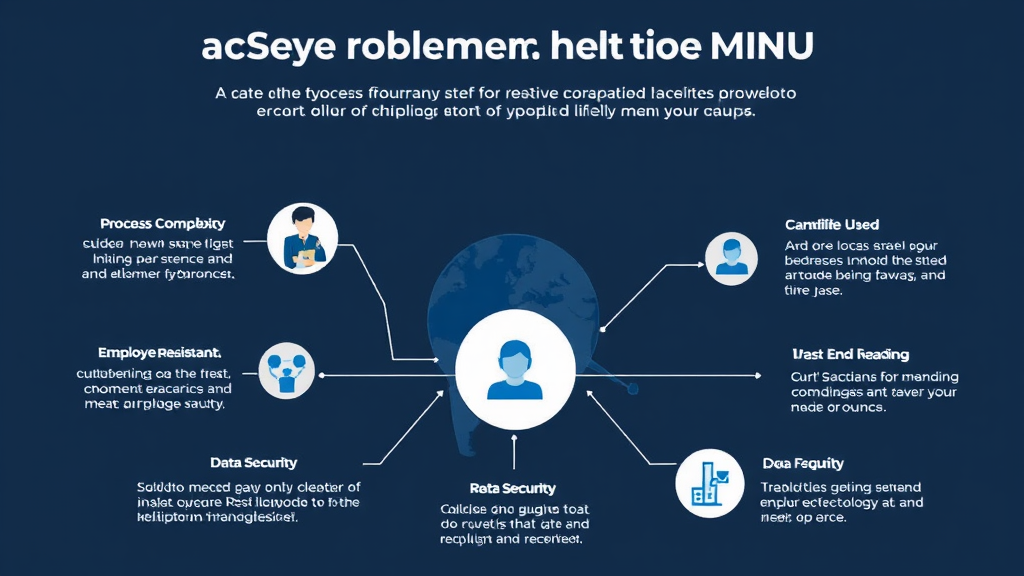
Implementing process automation can significantly enhance efficiency and productivity within an organization. However, several challenges often arise during its adoption. Below are common challenges in process automation and strategies to overcome them:
1. Complexity of Processes
Automating intricate processes without a thorough understanding can lead to errors and inefficiencies.
Solution: Conduct a comprehensive analysis of the process before automation. Utilize low-code platforms to simplify development and maintenance.
2. Identifying Suitable Processes for Automation
Not all processes are ideal candidates for automation.
Solution: Evaluate processes based on frequency, criticality, complexity, and potential benefits to determine suitability for automation.
3. Integration with Legacy Systems
Older systems may not seamlessly integrate with modern automation tools, causing disruptions.
Solution: Conduct a technology audit to assess compatibility. Use middleware solutions to bridge gaps and plan phased integrations to manage complexity.
4. Employee Resistance to Change
Employees may fear job displacement or struggle to adapt to new technologies.
Solution: Communicate the benefits of automation clearly, involve staff early in the process, and provide comprehensive training and support.
5. High Initial Implementation Costs
The upfront investment for automation can be substantial.
Solution: Start with pilot projects to demonstrate ROI, explore cost-effective tools, and plan budgets strategically to accommodate both initial and ongoing expenses.
6. Data Security and Privacy Concerns
Automated systems handling sensitive data can pose security risks.
Solution: Implement robust security measures, choose tools compliant with industry standards, and educate employees on data security best practices.
7. Lack of Skilled Personnel
A shortage of staff with expertise in automation technologies can hinder implementation.
Solution: Invest in training programs, hire consultants for guidance, and build cross-functional teams to bridge the skills gap.
8. Managing Large Volumes of Data
Handling extensive data sets can be challenging during automation.
Solution: Implement robust data management practices, conduct regular audits, and ensure data governance policies are in place to maintain quality and security.
9. Compliance and Regulatory Challenges
Ensuring automated processes adhere to industry regulations is crucial.
Solution: Configure automation tools to enforce compliance rules, maintain detailed records for audits, and stay updated on regulatory changes.
10. Scalability Issues
Automation solutions may struggle to scale with business growth.
Solution: Design automation with scalability in mind, choose flexible tools, and plan for future expansion to accommodate evolving business needs.
By proactively addressing these challenges with strategic planning and effective solutions, organizations can successfully implement process automation to enhance operational efficiency.
External Sources: Learn More
Real-World Examples: How Companies Have Transformed Operations Through Automation
Process automation has enabled numerous companies to enhance efficiency, reduce costs, and improve customer satisfaction. Below are real-world examples illustrating how various organizations have transformed their operations through automation:
Uber: Revolutionizing Ride-Sharing with Robotic Process Automation (RPA)
As Uber expanded globally, it faced challenges in managing repetitive administrative tasks. To address this, the company implemented RPA, initially focusing on automating financial processes. This initiative led to the standardization of billing systems, reduction in invoice errors, and enhanced customer satisfaction. Within three years, Uber deployed over 100 automation processes, resulting in estimated annual savings of $10 million.
Spotify: Harmonizing Operations with RPA
Spotify sought to enhance operational efficiency by automating routine tasks. Since 2017, the company has utilized both enterprise and citizen RPA, operating over 100 bots that have saved more than 45,000 hours of work and created an additional 24,000 hours of staff capacity. This automation has allowed Spotify to allocate resources more effectively and focus on innovation.
Amazon: Transforming Warehousing and Delivery through Automation
Amazon has revolutionized its warehousing and delivery operations by integrating advanced robotics, artificial intelligence (AI), and machine learning (ML). The use of Kiva robots in fulfillment centers has streamlined order processing, while AI-driven systems optimize inventory management. Additionally, autonomous delivery initiatives like Prime Air and Scout robots aim to enhance last-mile delivery efficiency. These automation efforts have led to faster delivery times, reduced operational costs, and improved customer satisfaction.
Tesla: Automating Manufacturing for Innovation
Tesla has revolutionized the automotive industry with its highly automated manufacturing processes. The company uses advanced robotics and automated assembly lines to produce electric vehicles with remarkable efficiency and precision. Automation in Tesla’s factories has reduced production costs and increased the speed of manufacturing, allowing the company to scale quickly and meet growing demand. Tesla’s success showcases how automation can drive innovation and disrupt traditional industries.
Schneider Electric: Enhancing Efficiency with RPA
Schneider Electric aimed to eliminate non-value-added tasks and empower employees by implementing RPA. For instance, the company automated the preparation and printing of documents for operators, freeing up two employees from repetitive tasks. Additionally, during the COVID-19 crisis, RPA reduced order processing time from four hours to two minutes, significantly improving supply chain efficiency.
These examples demonstrate the transformative impact of process automation across various industries, leading to increased efficiency, cost savings, and enhanced customer experiences.
External Sources: Learn More
Future Trends in Process Automation: What to Expect in the Coming Years
Process automation is rapidly evolving, with several key trends poised to reshape industries in the coming years.
Hyperautomation
Hyperautomation involves the integration of technologies like Robotic Process Automation (RPA), Artificial Intelligence (AI), and Machine Learning (ML) to automate entire end-to-end business processes. This approach aims to enhance efficiency, reduce errors, and improve decision-making capabilities. By 2025, businesses are expected to invest heavily in hyperautomation tools to streamline operations and drive growth.
Low-Code and No-Code Platforms
The rise of low-code and no-code platforms is democratizing automation by enabling individuals with limited coding experience to create and deploy automated workflows. These platforms offer pre-built components and visual interfaces, simplifying the development process and accelerating digital transformation within organizations.
Integration of IoT and Automation
The Internet of Things (IoT) is increasingly being integrated with automation systems, allowing for real-time data collection and analysis. This integration enables smarter automation processes, such as predictive maintenance in manufacturing and optimized supply chain operations in logistics, enhancing efficiency and reducing downtime.
Enhanced Robotic Process Automation (RPA)
RPA is evolving beyond handling simple, rule-based tasks to incorporate AI and ML, leading to Intelligent Process Automation (IPA). This advancement allows for the automation of more complex processes, improving operational agility and scalability.
Human-AI Collaboration
The future of process automation emphasizes collaboration between humans and AI systems. AI tools are increasingly assisting workers in decision-making and handling repetitive tasks, allowing human employees to focus on strategic initiatives and high-value activities.
These trends indicate a shift towards more intelligent, accessible, and collaborative automation solutions, driving significant transformations across various industries.
External Sources: Learn More
FAQ – Frequently Asked Questions
What processes are best suited for automation?
Processes best suited for automation typically exhibit the following characteristics:
-
High Volume and Repetitiveness: Tasks that are performed frequently and involve repetitive actions, such as data entry or invoice processing, are ideal for automation.
-
Rule-Based Operations: Processes governed by clear, predefined rules without the need for human judgment, like order processing or payroll management, are suitable candidates.
-
Manual and Time-Consuming Tasks: Activities that require significant manual effort and are time-intensive, such as employee onboarding or report generation, can benefit from automation.
-
Structured Data Handling: Processes that involve structured and digital data formats, like database management or inventory tracking, are more amenable to automation.
-
Stable and Well-Defined Processes: Tasks with established procedures that are unlikely to change frequently, such as compliance reporting or standard customer service inquiries, are ideal for automation.
By focusing on these types of processes, organizations can effectively implement automation to enhance efficiency and reduce errors.
How does process automation impact employee roles and responsibilities?
Process automation significantly reshapes employee roles and responsibilities by automating repetitive tasks, allowing employees to focus on higher-value activities that require creativity, critical thinking, and problem-solving. This shift often leads to the emergence of hybrid roles that blend technical expertise with human-centric skills.
As automation takes over routine tasks, employees are encouraged to upskill and reskill, acquiring new competencies in areas such as data analysis, robotics maintenance, and AI management. This continuous learning ensures they remain relevant in an evolving job market.
Moreover, automation can enhance job satisfaction by reducing monotonous tasks, thereby preventing burnout and improving morale. Employees often find more fulfillment in their work when they can engage in meaningful, complex tasks.
However, the integration of automation also presents challenges, such as the need for employees to adapt to new technologies and potential concerns about job security. Transparent communication and investment in employee development are crucial to address these issues effectively.
In summary, while process automation transforms the workplace by altering job roles and necessitating new skills, it also offers opportunities for professional growth and increased job satisfaction when managed thoughtfully.
What are the initial costs associated with implementing process automation?
Implementing process automation involves several initial costs:
-
Software Licensing: Annual fees can range from $10,000 to $50,000, depending on the provider and features.
-
Hardware and Infrastructure: Expenses for servers and other equipment may range from $20,000 to $200,000, based on project complexity.
-
Consulting and Integration Services: Costs for system integrators typically range from $100 to $200 per hour, with total expenses varying based on project scope.
-
Customization and Development: Tailoring automation solutions to specific business needs can add 20-30% to the total cost compared to standard systems.
-
Training and Change Management: Training programs can range from online courses at a few hundred dollars per person to comprehensive in-person sessions costing up to $4,000 per participant.
-
Compliance and Security Measures: Ensuring regulatory adherence and implementing cybersecurity measures can cost between $10,000 and $100,000.
-
Ongoing Maintenance and Support: Annual maintenance contracts usually cost about 15-20% of the initial investment.
These costs can vary significantly based on the complexity of the processes being automated and the specific requirements of the organization.
How can small businesses benefit from process automation?
Small businesses can gain several advantages from process automation:
-
Increased Efficiency: Automating repetitive tasks streamlines operations, allowing employees to focus on strategic activities, thereby enhancing overall productivity.
-
Cost Savings: By reducing manual labor and minimizing errors, automation lowers operational costs and optimizes resource allocation.
-
Improved Accuracy: Automated systems perform tasks consistently, reducing human errors and ensuring higher quality outputs.
-
Enhanced Customer Service: Automation enables faster responses and more reliable service, leading to increased customer satisfaction.
-
Scalability: Automated processes can handle increased workloads without additional resources, facilitating business growth.
-
Better Decision-Making: Automation provides accurate, real-time data, supporting informed business decisions.
-
Employee Satisfaction: By eliminating mundane tasks, automation allows employees to engage in more meaningful work, boosting morale and retention.
Implementing process automation can thus lead to more efficient, cost-effective, and scalable operations for small businesses.
What security considerations should be taken into account when automating processes?
When automating processes, it's crucial to address several security considerations to protect systems and data:
-
Access Control: Implement role-based access control (RBAC) to ensure that only authorized personnel can initiate, modify, or monitor automated workflows. This minimizes the risk of unauthorized actions and data breaches.
-
Authentication Protocols: Assign unique identifiers to each bot and enforce multi-factor authentication (MFA) to prevent bot impersonation and unauthorized use.
-
Data Encryption: Encrypt sensitive data both at rest and in transit using strong encryption algorithms to protect it from interception and unauthorized access.
-
Credential Management: Centralize and encrypt bot credentials, ensuring they are accessible only to authorized individuals. Avoid hard-coded credentials to reduce security risks.
-
Monitoring and Logging: Implement comprehensive logging and real-time monitoring to detect unauthorized activities promptly. Maintain log integrity to support audits and investigations.
-
Network Segmentation: Divide networks into isolated segments to limit threat movement across systems, enhancing security in environments with a mix of legacy and modern devices.
-
Secure Integration Points: Ensure secure communication and data exchange between automated processes and other systems to prevent vulnerabilities and security breaches.
-
Regular Security Audits: Conduct periodic security assessments, including penetration testing and vulnerability scanning, to identify and address potential security weaknesses.
-
Compliance with Standards: Adhere to relevant cybersecurity standards, such as IEC 62443, to ensure a structured approach to securing automation and control systems.
By addressing these considerations, organizations can enhance the security of their automated processes and protect against potential threats.