
Email marketing automation has revolutionized the way businesses engage with their audiences, enabling personalized communication at scale. By leveraging automation, companies can deliver timely, relevant content that nurtures leads and drives conversions. This blog post explores the key components, benefits, and best practices of email marketing automation to help you optimize your campaigns.
Key Findings
Email marketing automation leverages software to send targeted emails based on predefined triggers and schedules, enhancing efficiency and personalization in marketing campaigns.
Key benefits include:
-
Time-saving: Automating repetitive tasks like sending welcome emails and follow-ups allows marketers to focus on strategy and creativity.
-
Enhanced personalization: Tailoring emails to individual subscriber behaviors and preferences increases engagement and conversion rates.
-
Improved engagement: Timely and relevant emails lead to higher open and click-through rates, fostering stronger customer relationships.
-
Scalability: Automation enables businesses to manage large volumes of emails without compromising quality.
-
Data-driven insights: Automation tools provide valuable analytics, aiding in tracking campaign performance and making informed decisions.
Implementing email marketing automation can significantly enhance marketing efficiency and effectiveness.
Transform your workflow and accelerate success—visit ipsom.io or connect with us at office@ipsom.io.
Understanding Email Marketing Automation: Definition and Core Components
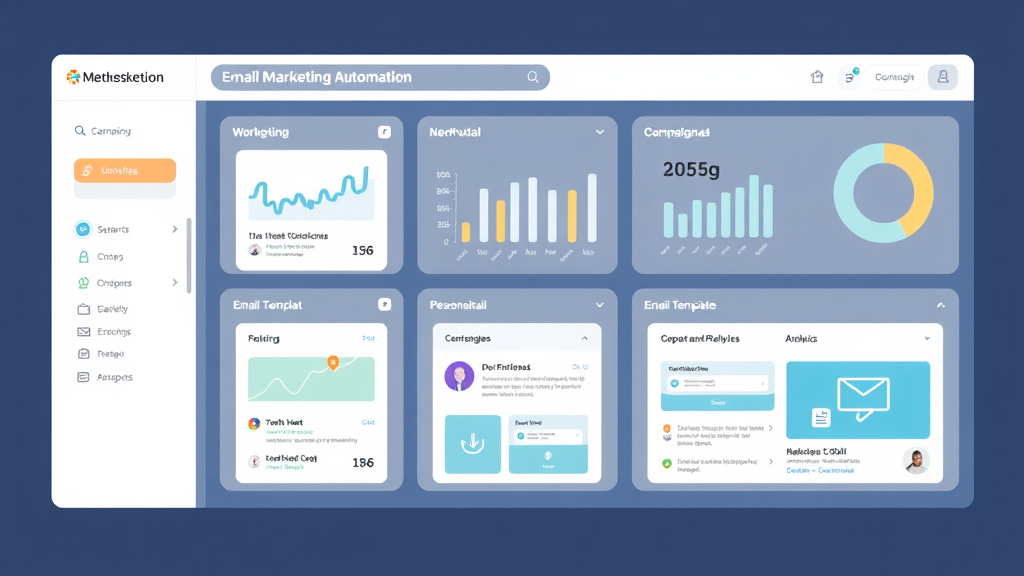
Email marketing automation is a strategy that utilizes software to send targeted, personalized emails to subscribers based on predefined triggers and schedules. This approach streamlines communication, enhances engagement, and nurtures leads through the sales funnel.
Core Components of Email Marketing Automation
-
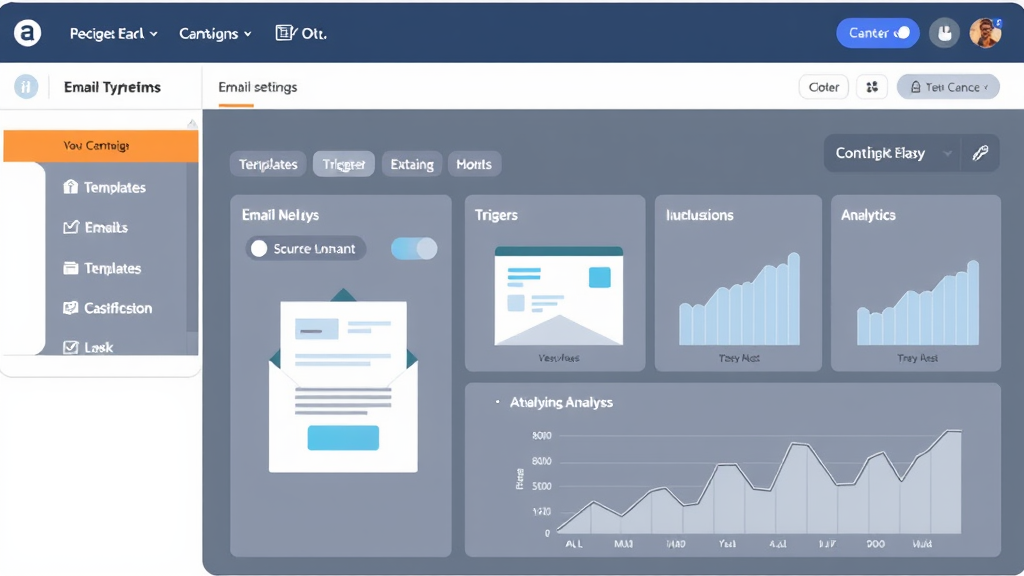
Triggers: Specific actions or events—such as a user subscribing to a newsletter, making a purchase, or abandoning a shopping cart—that initiate automated email workflows.
-
Workflows: Sequences of automated actions and conditions that guide the timing and content of emails sent to subscribers, ensuring alignment with the customer's journey.
-
Segmentation: Dividing an email list into smaller groups based on criteria like demographics, purchase history, or engagement levels, allowing for more targeted and relevant communication.
-
Personalization: Customizing email content to address recipients by name, recommend products based on past purchases, or tailor messages to fit their unique preferences and behaviors.
-
Analytics and Reporting: Monitoring campaign performance through metrics such as open rates, click-through rates, and conversions, providing insights for optimizing future emails and refining marketing strategies.
By integrating these components, businesses can create efficient and effective email marketing campaigns that foster stronger relationships with their audience and drive higher conversion rates.
External Sources: Learn More

Transform your operations today—visit ipsom.io or connect with us at office@ipsom.io.
The Benefits of Implementing Email Marketing Automation in Your Business
Implementing email marketing automation offers numerous advantages that can significantly enhance your business's marketing efforts. By automating routine tasks and personalizing communication, businesses can achieve greater efficiency, improved customer engagement, and higher returns on investment.
Increased Efficiency and Productivity
Automating repetitive tasks such as sending follow-up emails, triggering abandoned cart reminders, and segmenting subscribers based on behavior or demographics frees up valuable time and resources. This allows your marketing team to focus on strategic initiatives like campaign planning and content creation, leading to increased productivity and better resource allocation.
Enhanced Personalization and Targeted Messaging
Email automation enables the delivery of personalized messages tailored to individual customers based on their behavior, interests, and preferences. This level of personalization leads to higher engagement rates and significantly increases the chances of conversion. Additionally, automation tools allow for audience segmentation, ensuring that specific groups receive relevant content, thereby improving the effectiveness of your campaigns.
Improved Customer Engagement and Retention
By delivering timely and relevant content through automated email campaigns, businesses can keep customers engaged and encourage repeat purchases. Automation allows for the setup of drip campaigns that guide subscribers through the customer journey, providing valuable information at each stage and fostering long-term loyalty.
Data-Driven Decision Making
Automation tools provide a wealth of data and analytics, enabling real-time tracking of campaign performance. By analyzing metrics such as open rates, click-through rates, and conversions, businesses can gain valuable insights into customer behavior and preferences, informing marketing strategies and optimizing content for better results.
Scalability and Cost Savings
Email marketing automation allows businesses to scale more efficiently, handling larger volumes of subscribers and campaigns without a proportional increase in manual labor. Automation also reduces the risk of human error, ensuring that emails are sent consistently and accurately. As a result, businesses can save costs associated with manual labor and improve the overall efficiency of marketing operations.
In conclusion, integrating email marketing automation into your business strategy can lead to enhanced efficiency, personalized customer experiences, improved engagement, data-driven insights, and scalable growth, all contributing to a stronger competitive advantage in the market.
External Sources: Learn More
How to Segment Your Audience for Targeted Email Campaigns
Segmenting your audience is a fundamental step in crafting targeted email campaigns that resonate with specific groups, leading to higher engagement and conversion rates. By dividing your email list based on various criteria, you can deliver personalized content that meets the unique needs and preferences of each segment.
Key Segmentation Strategies:
-
Demographic Segmentation: Categorize subscribers by age, gender, income level, or education to tailor messages that align with their characteristics.
-
Geographic Segmentation: Target subscribers based on their location to offer region-specific promotions or event invitations.
-
Behavioral Segmentation: Analyze subscribers' interactions with your brand, such as purchase history or email engagement, to send relevant content.
-
Psychographic Segmentation: Group subscribers by lifestyle, values, or interests to create messages that resonate on a personal level.
-
Lifecycle Stage Segmentation: Address subscribers according to their stage in the customer journey, from new leads to loyal customers.
Implementing Segmentation:
-
Collect and Analyze Data: Utilize customer relationship management (CRM) systems to gather insights into subscriber behaviors and preferences.
-
Define Clear Criteria: Establish specific parameters for each segment to ensure precise targeting.
-
Personalize Content: Craft messages that address the unique needs and interests of each segment, enhancing relevance and engagement.
-
Automate Campaigns: Use email marketing platforms to automate the delivery of personalized content to different segments, improving efficiency.
-
Test and Optimize: Conduct A/B testing to evaluate the effectiveness of your segmentation strategies and refine them based on performance metrics.
By effectively segmenting your audience, you can deliver targeted email campaigns that foster stronger connections with your subscribers, leading to improved customer satisfaction and increased conversions.
External Sources: Learn More
Transform your workflow and elevate your business—join us at ipsom.io or email us at office@ipsom.io.
Personalization Strategies: Crafting Content That Resonates with Your Subscribers
Personalizing your email marketing content is essential to engage subscribers and foster stronger connections. By implementing targeted strategies, you can craft messages that resonate with your audience's unique preferences and behaviors.
Data Collection and Segmentation
Begin by gathering comprehensive data on your subscribers, including demographics, purchase history, and engagement patterns. Utilize this information to segment your email list into distinct groups with shared characteristics. This approach ensures that each segment receives content tailored to their specific interests and needs.
Dynamic Content and Product Recommendations
Incorporate dynamic content blocks within your emails to deliver personalized product recommendations or content suggestions. By analyzing user behavior and preferences, you can predict and present items that are most likely to appeal to each individual subscriber.
Behavioral Triggers and Automation
Implement automated email workflows triggered by specific user actions, such as abandoned cart reminders or re-engagement campaigns for inactive subscribers. This strategy ensures timely and relevant communication, guiding subscribers through their customer journey effectively.
Personalized Subject Lines and Sender Names
Craft subject lines that include personal details, like the recipient's name, to capture attention and increase open rates. Additionally, using a recognizable sender name fosters trust and familiarity, enhancing the likelihood of engagement.
A/B Testing and Optimization
Continuously test and optimize your email campaigns by experimenting with different personalization strategies, content formats, and send times. A/B testing allows you to identify what resonates best with your audience, enabling data-driven decisions to refine your approach over time.
By integrating these personalization strategies into your email marketing automation, you can create content that truly resonates with your subscribers, leading to higher engagement and conversion rates.
External Sources: Learn More
Designing Effective Automated Email Workflows: From Welcome Series to Re-Engagement Campaigns
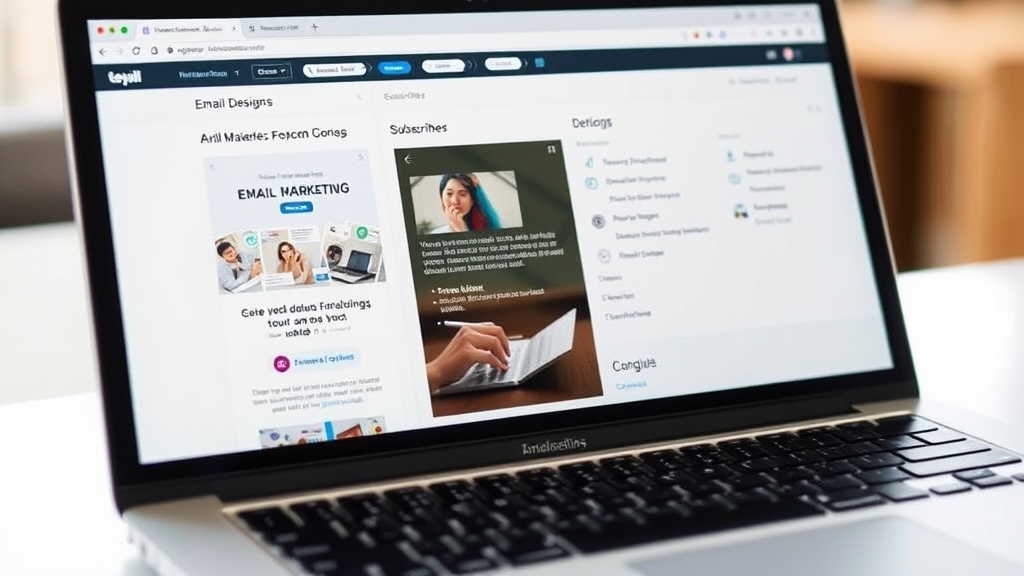
Designing effective automated email workflows is essential for guiding subscribers through their journey with your brand. From the initial welcome series to re-engagement campaigns, each workflow should be strategically crafted to enhance engagement and drive conversions.
Welcome Series
A well-structured welcome series sets the tone for your relationship with new subscribers. Key components include:
-
Personalization: Address subscribers by name and tailor content based on their preferences to foster a sense of connection.
-
Clear Call-to-Action (CTA): Each email should have a compelling CTA, guiding subscribers toward desired actions, such as exploring products or completing their profile.
-
Social Proof: Incorporate testimonials or user-generated content to build credibility and trust.
-
Segmentation: Divide your audience based on demographics or behavior to send more relevant emails.
-
Testing and Optimization: Regularly A/B test elements like subject lines and content to identify what resonates best with your audience.
For instance, DFS, a UK furniture retailer, personalizes its welcome emails by tailoring content to the specific products customers are interested in, enhancing engagement and driving sales.
Re-Engagement Campaigns
Re-engagement campaigns aim to rekindle interest among inactive subscribers. Effective strategies include:
-
Timing and Frequency: Balance the number and timing of emails to avoid overwhelming subscribers. A series of 3-5 emails over a few weeks can be effective.
-
Strong CTAs: Use clear and compelling CTAs to encourage desired actions, such as revisiting your website or updating preferences.
-
Incentives: Offer special promotions or exclusive content to entice subscribers back.
-
Feedback Requests: Ask for feedback to understand reasons for disengagement and demonstrate that you value their input.
For example, a re-engagement email might include a message like, "We miss you! Here's 15% off your next purchase," accompanied by a prominent "Redeem Offer" button.
Best Practices for Automated Email Workflows
-
Map the Customer Journey: Understand the stages your customers go through and design workflows that align with each phase.
-
Define Triggers and Conditions: Set up specific actions that initiate workflows, such as signing up for a newsletter or abandoning a cart.
-
Personalize Messaging: Use dynamic content to tailor emails based on subscriber data, enhancing relevance and engagement.
-
Balance Frequency and Timing: Avoid overwhelming subscribers by spacing out emails appropriately and considering industry norms.
-
Analyze Performance Metrics: Regularly review metrics like open rates and click-through rates to assess effectiveness and make data-driven improvements.
By thoughtfully designing and implementing these automated email workflows, you can nurture relationships with subscribers, maintain engagement, and drive meaningful actions that contribute to your business objectives.
External Sources: Learn More
Transform your workflow and boost productivity—visit ipsom.io or connect with us at office@ipsom.io.
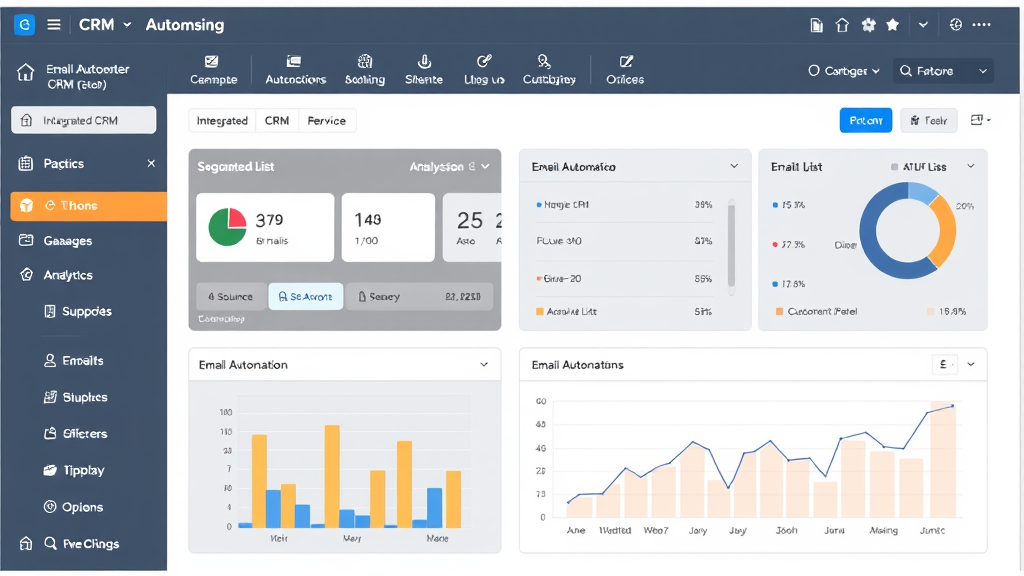
Integrating Email Automation with CRM Systems for Enhanced Customer Insights
Integrating email automation with Customer Relationship Management (CRM) systems enables businesses to centralize customer data, allowing for more targeted and personalized email campaigns. This integration ensures a seamless experience for customers across different platforms.
Key benefits of integrating email automation with CRM systems:
-
Centralized Customer Data: Combining CRM with email automation centralizes customer information, including contact details, purchase history, and website interactions. For instance, when a lead fills out a contact form, their information is automatically synced, ensuring relevant data for segmentation and personalization.
-
Enhanced Segmentation and Personalization: Access to comprehensive customer data allows for the creation of highly targeted email campaigns based on demographics, purchase behavior, or engagement levels. For example, segmenting your email list based on past purchases enables sending tailored product recommendations.
-
Automated Workflows: Integration enables the automation of workflows and triggers email communications based on customer interactions, ensuring timely and relevant communication throughout the customer journey. For instance, setting up automated follow-up emails after leads attend webinars nurtures them further along the sales funnel.
-
Improved Tracking and Analytics: By integrating email marketing with CRM, companies can track the customer journey more effectively—from initial contact through various touchpoints to conversion. This integration allows for more precise measurement of email marketing effectiveness, including which emails lead to actual sales, enhancing the ability to calculate the return on investment (ROI) more accurately.
-
Enhanced Customer Experience: A seamless integration ensures consistent messaging and personalized communication across channels, contributing to a positive customer experience and building brand loyalty. Providing personalized recommendations based on past interactions increases customer engagement and loyalty.
By integrating CRM systems with email automation tools, businesses can leverage customer data effectively, creating targeted campaigns, automating workflows, and enhancing overall engagement and conversions.
External Sources: Learn More
Monitoring and Analyzing Key Metrics to Optimize Email Campaign Performance
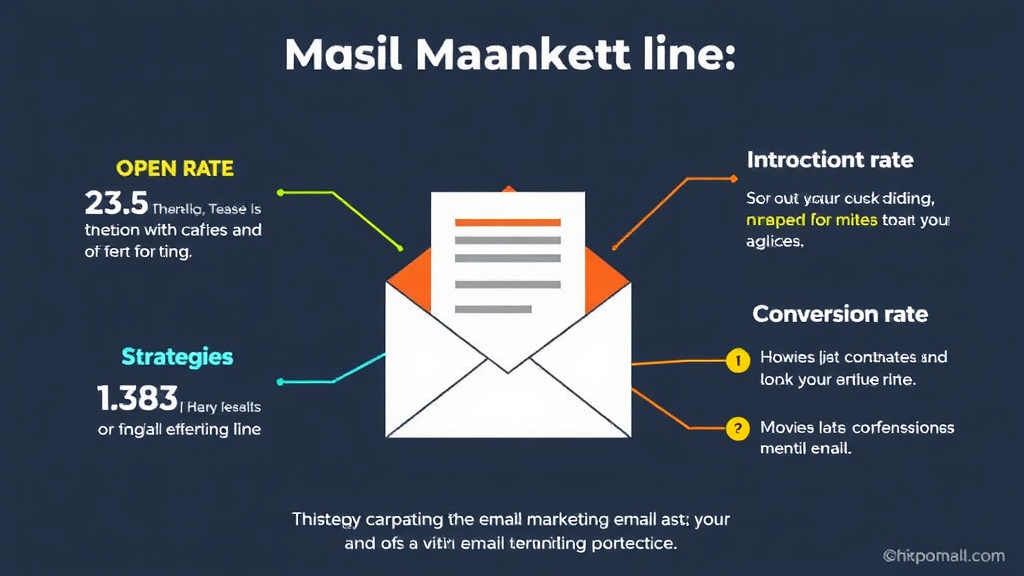
Monitoring and analyzing key metrics is essential for optimizing email campaign performance. By focusing on specific indicators, marketers can gain insights into recipient engagement and identify areas for improvement.
Key Metrics to Monitor:
-
Open Rate: This metric indicates the percentage of recipients who open your email, reflecting the effectiveness of your subject lines and sender recognition.
-
Click-Through Rate (CTR): CTR measures the percentage of recipients who clicked on a link within your email, providing insight into the relevance and appeal of your content.
-
Conversion Rate: This metric tracks the percentage of recipients who completed a desired action, such as making a purchase, after clicking a link in your email.
-
Bounce Rate: Bounce rate signifies the percentage of emails that were not successfully delivered to recipients' inboxes.
-
Unsubscribe Rate: This metric measures the percentage of recipients who opt out of your email list after receiving a campaign.
Strategies for Optimization:
-
A/B Testing: Conducting A/B tests allows you to compare different versions of your emails to determine which elements resonate best with your audience.
-
Segmentation: Dividing your email list based on demographics, preferences, or behaviors enables more personalized and targeted campaigns, leading to higher engagement rates.
-
Content Personalization: Tailoring your email content to meet the specific needs and interests of different segments can enhance relevance and effectiveness.
-
Monitoring Engagement Over Time: Analyzing how engagement metrics evolve over time helps identify trends and the impact of specific campaigns on different audience segments.
By consistently monitoring these metrics and implementing targeted optimization strategies, you can enhance the effectiveness of your email marketing campaigns and achieve better results.
External Sources: Learn More
Transform your workflow and unleash your potential—visit ipsom.io or connect with us at office@ipsom.io.
Common Pitfalls in Email Marketing Automation and How to Avoid Them
Implementing email marketing automation can significantly enhance your marketing efforts, but it's essential to be aware of common pitfalls to ensure success.
1. Lack of Clear Goals
Without well-defined objectives, it's challenging to measure the success of your automation efforts.
How to Avoid It:
- Set SMART (Specific, Measurable, Achievable, Relevant, Time-bound) goals.
- Align your automation strategy with broader marketing and sales objectives.
2. Ignoring Audience Segmentation
Sending generic messages to your entire audience can lead to disengagement and higher unsubscribe rates.
How to Avoid It:
- Use your CRM to segment audiences based on behavior, demographics, and preferences.
- Create tailored campaigns for each segment to enhance relevance.
3. Over-Automating Processes
Excessive automation can result in impersonal communication, alienating your audience.
How to Avoid It:
- Maintain a balance between automation and personalization.
- Regularly review automated workflows to ensure they align with your brand voice.
4. Poor Data Management
Outdated or inaccurate data can lead to ineffective campaigns and missed opportunities.
How to Avoid It:
- Regularly clean and update your CRM database.
- Implement data validation processes to ensure accuracy.
5. Skipping Lead Nurturing
Focusing solely on conversions without nurturing leads can reduce conversion rates and impact long-term relationships.
How to Avoid It:
- Implement lead nurturing workflows that guide prospects through the buyer’s journey.
- Provide valuable content at each stage to build trust and credibility.
6. Neglecting Mobile Optimization
With many users accessing content via mobile devices, ignoring mobile optimization can hinder campaign performance.
How to Avoid It:
- Ensure all emails, landing pages, and forms are mobile-friendly.
- Test campaigns across various devices before launching.
7. Using Automation Without Personalization
Generic, automated messages lack the personal touch that resonates with customers.
How to Avoid It:
- Leverage CRM insights to personalize messages based on customer behavior and preferences.
- Incorporate dynamic content to tailor campaigns.
8. Failure to Measure Performance
Not tracking the success of your campaigns can leave you unaware of what works and what doesn’t.
How to Avoid It:
- Set up KPIs and track metrics like open rates, click-through rates, and conversions.
- Use analytics to refine and optimize your strategies.
9. Ignoring Customer Feedback
Automated systems can overlook valuable customer feedback, leading to missed improvement opportunities.
How to Avoid It:
- Actively collect and analyze customer feedback.
- Use insights to refine workflows and improve customer experiences.
10. Not Training Your Team
Marketing automation tools are only as effective as the people using them. Lack of training can result in underutilization or errors.
How to Avoid It:
- Provide comprehensive training on your marketing automation and CRM tools.
- Encourage continuous learning to keep up with new features and best practices.
By being aware of these common pitfalls and implementing the suggested strategies, you can optimize your email marketing automation efforts for better engagement and results.
Future Trends in Email Marketing Automation: What to Expect in the Coming Years
Email marketing automation is rapidly evolving, with several key trends shaping its future.
AI-Powered Personalization
Artificial Intelligence (AI) enables brands to send hyper-personalized emails by analyzing customer behavior, preferences, and past interactions. This approach increases open rates by up to 29% and click-through rates by 41%.
Predictive Analytics for Better Targeting
Predictive analytics helps marketers identify customer interests before they even make a move. By analyzing historical data, AI predicts what content will work best for each subscriber, improving conversions and reducing email unsubscribes.
Automated Email Content Creation
AI-powered tools can now generate subject lines, email copy, and product recommendations that align with user behavior. These tools save time and ensure content is optimized for engagement and conversions.
Smart Send-Time Optimization
AI determines the best time to send emails to each subscriber based on their past interactions. Studies show that send-time optimization increases open rates by up to 23%, ensuring emails are delivered when recipients are most likely to engage.
AI-Driven Email List Segmentation
AI automates the segmentation process by analyzing customer data and categorizing subscribers based on demographics, purchase history, and behavior. This ensures that the right message reaches the right audience at the right time.
AI Chatbots for Email Engagement
AI-powered chatbots are now being integrated into email marketing strategies. They can answer customer queries directly within emails, enhancing user engagement and improving response rates.
Hyper-Personalization and Dynamic Content
Consumers now expect emails that are tailored to their needs and preferences. Hyper-personalization takes traditional personalization to the next level by using real-time data to create unique email experiences.
Dynamic Content Blocks
Dynamic content allows businesses to personalize different sections of an email based on the recipient’s behavior, location, or preferences. This ensures that every subscriber gets a unique experience.
Personalized Product Recommendations
E-commerce brands use AI-driven recommendation engines to suggest products based on browsing history and previous purchases, increasing the likelihood of conversions.
Behavioral Trigger Emails
Automated emails triggered by specific user actions, such as abandoned cart reminders or post-purchase follow-ups, help brands re-engage potential customers and drive sales.
Real-Time Email Personalization
Unlike static emails, real-time personalization updates email content based on when the user opens it. This ensures that offers and recommendations remain relevant and up-to-date.
User-Generated Content in Emails
Featuring customer reviews, testimonials, or social media posts in emails builds trust and boosts engagement. User-generated content adds authenticity to marketing campaigns.
Location-Based Email Marketing
Geo-targeted emails use a subscriber’s location to send personalized offers or updates. Businesses can use this technique to promote local events, store openings, or region-specific discounts.
By embracing these trends, businesses can enhance their email marketing strategies, leading to higher engagement and improved customer relationships.
External Sources: Learn More
FAQ – Frequently Asked Questions
What is email marketing automation and how does it work?
Email marketing automation is the use of software to send targeted emails to subscribers based on predefined triggers and schedules, enhancing efficiency and personalization.
How it works:
-
Audience Segmentation: Divide your email list into groups based on criteria like demographics, behavior, or purchase history to send relevant content.
-
Trigger-Based Workflows: Set up automated email sequences that activate when a subscriber performs specific actions, such as signing up or abandoning a cart.
-
Personalization: Customize emails with the recipient's name, product recommendations, or content tailored to their interests to increase engagement.
-
Scheduling: Send emails at optimal times based on user behavior and preferences to maximize open and click-through rates.
-
Analytics and Optimization: Monitor campaign performance through metrics like open rates and conversions to refine strategies and improve results.
By automating these processes, businesses can deliver timely, relevant, and personalized communications, leading to improved customer engagement and higher conversion rates.
How can I effectively segment my email list for better targeting?
Effectively segmenting your email list enhances targeting and engagement. Here are key strategies:
-
Demographic Segmentation: Group subscribers by age, gender, location, or income to tailor content accordingly.
-
Behavioral Segmentation: Analyze actions like purchase history, website interactions, and email engagement to create targeted campaigns.
-
Psychographic Segmentation: Consider subscribers' lifestyles, interests, and values to craft resonant messages.
-
Lifecycle Stage Segmentation: Tailor emails based on where subscribers are in their customer journey, from new leads to loyal customers.
-
Engagement Level Segmentation: Identify and target subscribers based on their interaction frequency with your emails.
-
Preference-Based Segmentation: Allow subscribers to set their content and frequency preferences for more personalized communication.
-
Data Enrichment: Regularly update and enhance your subscriber data to maintain accurate and effective segmentation.
-
Avoid Over-Segmentation: While detailed segmentation is beneficial, creating too many small segments can be resource-intensive and may dilute your message's impact.
Implementing these strategies can lead to more personalized and effective email marketing campaigns.
What are the best practices for personalizing automated emails?
Personalizing automated emails enhances engagement and conversion rates. Here are key best practices:
-
Collect and Utilize Relevant Data: Gather first-party data like names, locations, and preferences through sign-up forms and surveys. Ensure transparency and compliance with privacy regulations.
-
Understand Your Audience: Develop detailed customer personas by analyzing demographics, behaviors, and interests to tailor content effectively.
-
Segment Your Email List: Divide your audience into groups based on factors such as location, purchase history, or engagement levels to send more targeted messages.
-
Use Dynamic Content: Incorporate elements that change based on recipient data, like personalized product recommendations or location-specific offers, to make emails more relevant.
-
Personalize Subject Lines and Preview Text: Include the recipient's name or reference their recent interactions to increase open rates.
-
Implement Behavioral Triggers: Set up automated emails based on user actions, such as cart abandonment or browsing behavior, to send timely and pertinent messages.
-
Optimize Send Times: Analyze when your audience is most active and schedule emails accordingly to improve engagement.
-
Test and Refine: Conduct A/B testing on various email elements to determine what resonates best with your audience and continuously improve your campaigns.
By implementing these strategies, you can create more personalized and effective automated email campaigns.
How do I measure the success of my email marketing automation campaigns?
To effectively measure the success of your email marketing automation campaigns, focus on the following key performance indicators (KPIs):
-
Open Rate: The percentage of recipients who open your email. A higher open rate indicates compelling subject lines and sender names.
-
Click-Through Rate (CTR): The percentage of recipients who click on links within your email. This metric reflects the relevance and engagement level of your content.
-
Conversion Rate: The percentage of recipients who complete a desired action, such as making a purchase or signing up for a webinar, after clicking a link in your email.
-
Bounce Rate: The percentage of emails that couldn't be delivered to recipients' inboxes. A high bounce rate may indicate issues with your email list quality.
-
Unsubscribe Rate: The percentage of recipients who opt out of your email list after receiving an email. Monitoring this helps assess audience satisfaction and content relevance.
-
Spam Complaint Rate: The percentage of recipients who mark your email as spam. Keeping this rate low is crucial for maintaining a good sender reputation.
-
List Growth Rate: The rate at which your email list is growing, accounting for new subscribers and unsubscribes.
-
Overall ROI: The return on investment from your email campaigns, calculated by comparing the revenue generated to the costs incurred.
Regularly tracking these metrics will provide insights into your campaign's performance and areas for improvement.
What tools are recommended for integrating email automation with CRM systems?
Integrating email automation with CRM systems enhances customer engagement and streamlines marketing efforts. Here are some recommended tools that offer robust integration capabilities:
-
ActiveCampaign: Combines email marketing, automation, and CRM functionalities, allowing for seamless integration and personalized customer interactions.
-
HubSpot: Provides a comprehensive suite with CRM and email marketing tools, enabling efficient management of customer relationships and automated email campaigns.
-
Brevo (formerly Sendinblue): Offers an affordable solution with integrated CRM and email marketing features, including automation workflows and SMS capabilities.
-
Pipedrive: Features a user-friendly CRM with built-in email tracking and pipeline management, facilitating effective sales processes and email communications.
-
Insightly: Combines CRM with email marketing tools, allowing for streamlined email management and automation directly within the platform.
-
Moosend: An all-in-one email marketing solution that integrates with various CRM systems, offering advanced automation features and audience management.
These tools are designed to enhance the integration of email automation with CRM systems, improving customer engagement and operational efficiency.